Understanding Metal Fabrication in West Vancouver
In the landscape of modern construction and design, metal fabrication has emerged as a cornerstone of architectural innovation, particularly in West Vancouver. As a city known for its stunning natural beauty and sophisticated infrastructure, the demand for high-quality, customized metalwork has reached new heights. Metal fabrication west vancouver encompasses a variety of services, including steel fabrication, welding, and structural components designed for both aesthetic appeal and functionality. This article delves into the essential aspects of metal fabrication, the importance of custom metalwork, and the trends shaping the industry in 2026.
What Is Metal Fabrication?
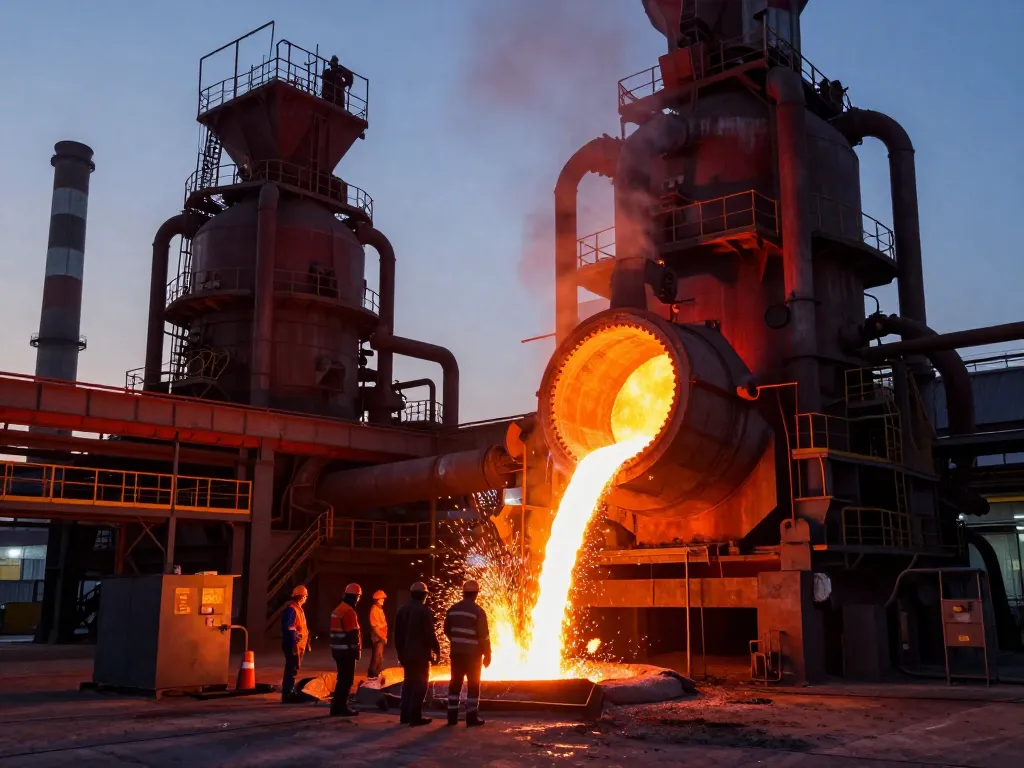
Metal fabrication involves the process of constructing metal structures by cutting, bending, and assembling various metal components. This craft is essential in creating everything from intricate designs for homes to robust structures in industrial settings. The fabrication process typically starts with raw metal materials and progresses through several stages, including designing, cutting, welding, and finishing. Each step is crucial in ensuring that the final product meets the required specifications and standards.
The Importance of Custom Metalwork
Custom metalwork plays an increasingly vital role in both residential and commercial construction. Unlike mass-produced metal products, custom pieces are tailored to specific designs and functional needs, making them a perfect fit for unique architectural requirements. In West Vancouver, where design and innovation are paramount, custom metalwork enhances curb appeal and adds a distinct touch to any project. It allows architects and builders to push the boundaries of traditional design, integrating modern aesthetics with durable materials to create lasting impressions.
Overview of Popular Metal Types Used
Several types of metals are commonly used in fabrication, each offering distinct advantages. Some of the most popular include:
- Stainless Steel: Known for its corrosion resistance and strength, stainless steel is ideal for both structural applications and decorative features.
- Aluminum: Lightweight and malleable, aluminum is often used for applications requiring less structural strength but higher aesthetic value.
- Carbon Steel: Valued for its strength and durability, carbon steel is commonly used in construction and industrial applications.
- Iron: Although less commonly used than it once was, iron remains a popular choice for ornamental work and traditional designs.
Choosing the Right Metal Fabrication Services
When embarking on a metal fabrication project, selecting the right service provider is critical to the success of your endeavor. Various factors should be considered when evaluating potential fabricators.
Factors to Consider When Selecting a Fabricator
Here are some key aspects to consider:
- Experience: Look for a company with a proven track record in metal fabrication, particularly in your specific type of project.
- Expertise: Verify that the fabricator specializes in the type of metalwork you require, whether it be residential, commercial, or custom industrial applications.
- Quality of Work: Review previous projects and client testimonials to gauge the quality and durability of their work.
- Technology: Ensure the company utilizes modern techniques and equipment for precision and efficiency in their fabrication processes.
- Customer Service: Excellent communication and support are essential throughout the fabrication process to address any concerns promptly.
Comparing Local Fabricators in West Vancouver
Comparing local fabricators can provide insights into who provides the best services at competitive prices. Take time to request quotes from multiple companies and assess the services offered. Look for a balance between quality and cost-effectiveness. Additionally, local fabricators often understand the specific regulations and design standards required in West Vancouver, further enhancing their suitability for your project.
Cost Considerations for Custom Metalwork
The cost of custom metalwork can vary significantly based on several factors, including:
- Material Costs: The type of metal chosen greatly influences the overall project cost.
- Design Complexity: More intricate designs typically require additional time and skill, increasing labor costs.
- Project Size: The scale of the project will impact the costs, with larger projects benefiting from economies of scale.
- Finishes and Treatments: Additional processes such as painting, galvanizing, or powder coating can increase costs but enhance product longevity.
Key Techniques in Metal Fabrication
Understanding the various techniques involved in metal fabrication can help in making informed decisions regarding your project.
Welding Methods in Custom Projects
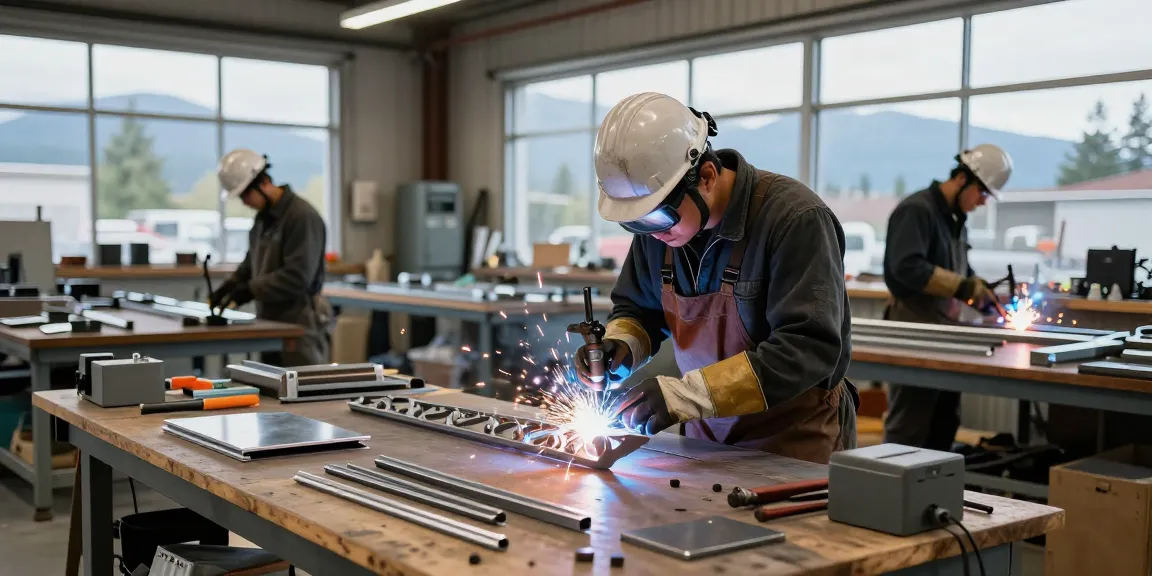
Welding is a fundamental technique in metal fabrication, used to join two or more pieces of metal together. Common welding methods include:
- MIG Welding: Metal Inert Gas welding is a versatile method suitable for various materials, offering speed and ease of use.
- TIG Welding: Tungsten Inert Gas welding provides high precision, making it ideal for thinner materials and critical applications.
- Stick Welding: A more traditional method, stick welding is known for its strength and is often used in outdoor environments.
Cutting Techniques for Precision Fabrication
Precision cutting is essential for achieving the exact dimensions required in custom metalwork. Popular cutting techniques include:
- Laser Cutting: This technique uses focused laser light to cut through metal, offering high precision and clean edges.
- Water Jet Cutting: Utilizing a high-pressure stream of water mixed with abrasives, water jet cutting is effective for thick materials without affecting their heat treatment.
- Plasma Cutting: A fast method that uses a plasma torch to slice through metals, ideal for thicker materials.
Finishing Processes to Enhance Durability
Finishing processes are critical in enhancing the durability and aesthetics of metal products. Common finishing techniques include:
- Powder Coating: This process involves applying a dry powder to metal surfaces, providing a durable and attractive finish resistant to chips and fading.
- Galvanizing: The application of a protective zinc coating prevents corrosion, extending the life of metal components.
- Brushing and Polishing: These methods enhance the aesthetic appeal of the metal while also providing additional protection against wear.
Applications of Custom Metalwork
Custom metalwork serves a diverse range of applications across various sectors, including residential, commercial, and industrial domains.
Residential Metal Fabrication Examples
In residential projects, custom metalwork can be adapted in several creative ways:
- Railings: Stylish railings tailored to complement the home’s architecture; from modern sleek designs to classic wrought iron.
- Fencing: Custom fences not only provide security but also enhance the property’s aesthetics.
- Outdoor Structures: Pergolas, canopies, and custom furniture can transform outdoor spaces into functional art.
Commercial and Industrial Applications
For commercial and industrial settings, the utility and robustness of metalwork are paramount:
- Structural Frames: Custom-designed frames support buildings and large structures, ensuring safety and durability.
- Platforms and Walkways: Custom platforms facilitate safe access for employees and equipment.
- Protective Barriers: Safety features such as guardrails and bollards are essential in industrial environments.
Case Studies of Successful Projects in Vancouver
Exploring successful case studies can provide insight into the effective application of custom metalwork:
- Luxury Residential Homes: High-end homes in West Vancouver featuring intricate metal railings and bespoke gates that blend seamlessly into the architectural design.
- Commercial Spaces: Restaurants and cafes utilizing custom metal fixtures for unique seating and decor that enhance the dining experience.
- Public Installations: Sculptures and architectural installations in parks and civic spaces that leverage metal for artistic expression.
Future Trends in Metal Fabrication
The metal fabrication industry is poised for significant advancements in the coming years, driven by technology and changing consumer demands.
Innovations in Metal Fabrication Technology
Emerging technologies are revolutionizing metal fabrication, with innovations such as:
- 3D Metal Printing: This technology allows for rapid prototyping and the creation of complex geometries that were previously difficult to achieve.
- Automation and Robotics: Increasingly used in fabrication processes, robotics improve efficiency and precision while reducing labor costs.
- Advanced Material Science: Development of new alloys and composites enhances performance characteristics, ensuring better durability and lighter weight.
Sustainability Practices in the Industry
As the world shifts towards more sustainable practices, the metal fabrication industry is also adapting. Key areas of focus include:
- Recycling Metal: Utilizing recycled metals reduces waste and carbon footprint.
- Energy Efficiency: Many fabricators are investing in energy-efficient processes and machinery to lower energy consumption.
- Sustainable Materials: Exploring eco-friendly materials and coatings that minimize environmental impact.
Predictions for the Metal Fabrication Market in 2026
Looking ahead, the metal fabrication market is expected to grow as construction evolves. Key predictions include:
- Increased demand for custom metalwork in residential and commercial sectors due to rising personalization trends.
- A continued emphasis on technology integration within fabrication processes.
- Sustainability becoming a primary concern for consumers, driving demand for eco-friendly solutions.
Frequently Asked Questions
As you consider custom metalwork, you may have several questions. Here are some commonly asked questions:
What types of metals do you work with?
We work with a variety of metals, including stainless steel, aluminum, carbon steel, and iron, depending on your project's requirements.
Can I provide a custom design for my project?
Absolutely! We encourage clients to share their design ideas, and our team will collaborate closely to turn your vision into reality.
How long does a custom metalwork project take?
The timeline varies based on the project complexity and size. Typically, projects can range from a couple of weeks to several months.
Do you provide installation services?
Yes, we offer comprehensive installation services to ensure your custom metalwork is seamlessly integrated into your project.
Are your metalwork solutions suitable for outdoor use?
Yes, many of our metalwork solutions are designed to withstand outdoor elements, particularly with proper finishes and protective coatings.