
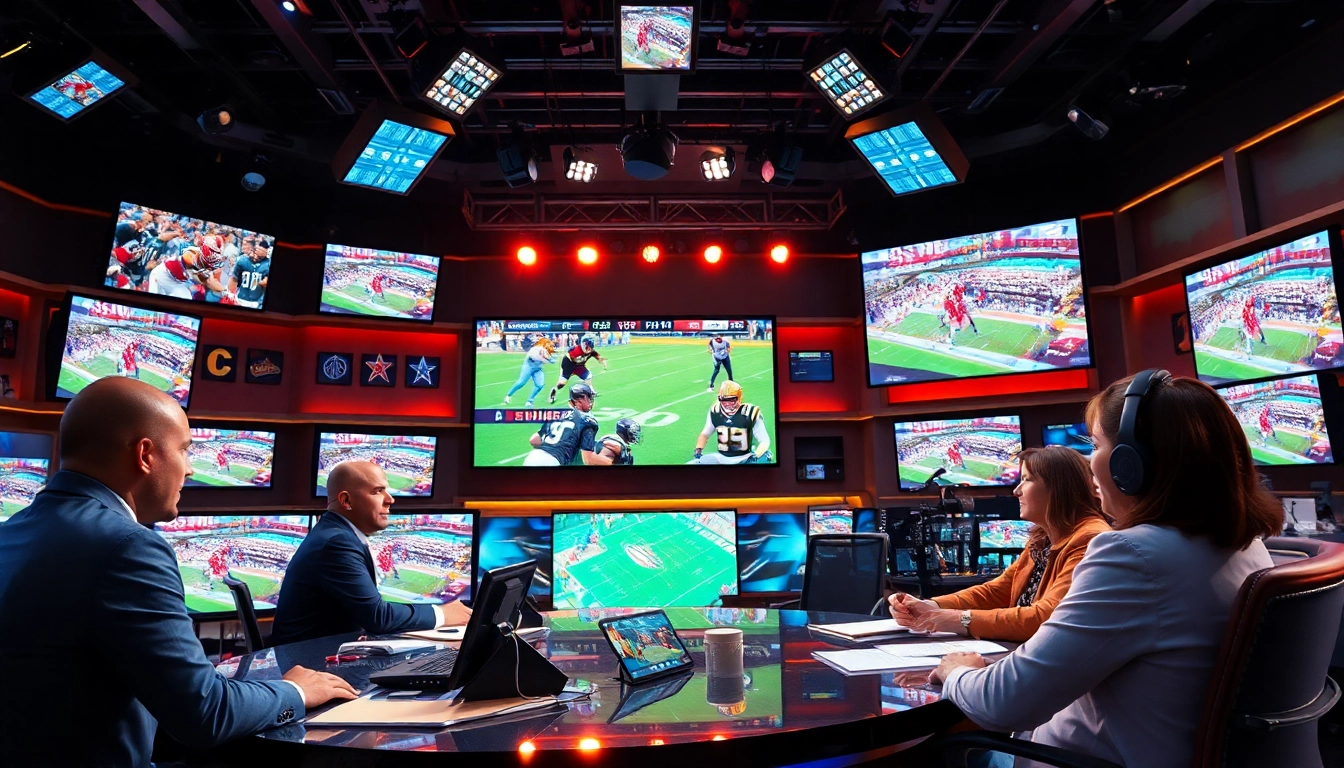
The Essence of Sports Broadcasting
Understanding Sports Broadcasting
Sports Broadcasting is a specialized field dedicated to the dissemination of live sports events, news, and analysis through various media channels. It allows sports fans to engage with their favorite teams, players, and leagues from anywhere in the world. As audiences increasingly demand instant access to content, the importance of effective Sports Broadcasting has grown dramatically, constantly reshaping the way we consume sports.
Historical Context and Evolution
The roots of sports broadcasting can be traced back to the early 20th century when radio became the primary medium for transmitting live events. The first-ever radio broadcast of a sports event— a baseball game— was aired in the 1920s, which set the stage for modern sports broadcasting. As technology advanced, television took over as the popular medium, significantly changing how fans interacted with sports content. The advent of digital technologies, including streaming services and social media, has propelled sports broadcasting into a new era, making it more interactive and accessible.
The Role of Technology in Broadcasting
Technology plays a crucial role in sports broadcasting, enhancing the viewer experience and enabling broadcasters to deliver high-quality content. From high-definition broadcasts to augmented reality graphics and real-time statistics, technology enables broadcasters to engage audiences like never before. Notably, the arrival of 4K broadcasting and immersive viewing experiences, such as virtual reality, has transformed the way fans experience their favorite sports events, paving the way for future innovations.
Key Components of Sports Broadcasting
Production Techniques and Tools
Production techniques in sports broadcasting encompass everything from camera angles to audio equipment and post-production editing. A successful broadcast relies heavily on the planning of camera placements, the selection of reporters, and the strategic use of graphics. For instance, utilizing multiple-camera setups can provide a dynamic viewing experience, while advanced audio tools ensure that the commentary and ambient sounds of a game are balanced for clarity. Understanding production tools, such as graphics software and editing platforms, is essential for creating compelling sports content.
Content Strategy and Audience Engagement
Effective content strategy in sports broadcasting means understanding the audience’s preferences and delivering tailored content. Broadcasters leverage data analytics to gather insights on viewer behavior, which informs programming decisions. Engaging content types—such as highlight reels, behind-the-scenes features, and player interviews—help maintain viewer interest. Furthermore, creating interactive platforms where fans can participate through voting on game highlights or engaging in live chats enhances audience involvement.
Understanding Broadcasting Regulations
Sports broadcasters must navigate a complex landscape of regulations to operate legally and ethically. This includes adhering to copyright laws, licensing agreements, and content rights. Broadcasters must ensure that they have the appropriate licenses for live streaming events or providing highlights. Understanding these regulations is critical to prevent costly legal issues and to maintain the integrity of the broadcast.
Current Trends in Sports Broadcasting
The Rise of Streaming Services
Streaming services have revolutionized the sports broadcasting industry. Platforms like Netflix, Hulu, and dedicated sports streaming services allow viewers to access live events and a wide range of original sports programming on-demand. This shift reflects broader changes in consumer behavior, with audiences preferring flexible viewing options over traditional cable subscriptions. As a result, major leagues and sporting events are increasingly partnering with streaming platforms to reach new audiences and maximize revenue.
Social Media’s Impact on Audience Reach
Social media has become an essential tool for sports broadcasters to expand their reach and enhance viewer engagement. By utilizing platforms like Twitter, Facebook, and Instagram, broadcasters can share highlights, live commentary, and interactive content. Additionally, athletes and teams use social media to connect directly with fans, creating a two-way communication channel that enhances loyalty and engagement. This shift not only broadens audience demographics but also allows real-time feedback from viewers.
Innovative Broadcasting Formats
Innovative broadcasting formats are continuously evolving to create more immersive experiences for viewers. For instance, the concept of ‘multi-view’ allows fans to watch multiple camera feeds simultaneously, tailoring their viewing experience. Moreover, augmented and virtual reality technologies provide fans with immersive experiences that bring them closer to the action. As these technologies develop, we can expect even more groundbreaking formats to emerge, redefining how sports are consumed.
Challenges Faced by Sports Broadcasters
Navigating Competition in the Industry
The sports broadcasting industry is characterized by intense competition, with numerous players vying for audience attention. Broadcasters must continuously innovate to stand out in a crowded market. Strategies such as unique storytelling, exclusive interviews, and behind-the-scenes access can create a competitive edge. As technology and viewer preferences evolve, staying ahead of competitors will require ongoing adaptation and flexibility.
Adapting to Technological Changes
With rapid technological advancements, broadcasters must remain proactive in adopting new tools and techniques. Innovations like artificial intelligence, machine learning, and enhanced analytics are shaping how broadcasts are produced and consumed. Broadcasters need to not only incorporate these tools but also train their teams to utilize them effectively, ensuring that they remain relevant in a rapidly changing landscape.
Meeting Viewer Expectations and Preferences
As audiences become more sophisticated in their viewing habits, broadcasters face the challenge of meeting heightened expectations. Fans now demand not only high-quality video and sound but also engaging content that resonates with their interests. Providing personalized experiences and diverse content options—such as multilingual broadcasts or specific commentary styles—can help broadcasters meet these expectations and enhance viewer satisfaction.
Future of Sports Broadcasting
Predictions for the Next Decade
The future of sports broadcasting is expected to be defined by continued integration of advanced technologies and changing viewer behaviors. As younger generations prioritize instant access to content on various devices, broadcasters will need to adapt by providing flexible viewing options. The rise of artificial intelligence will also allow for enhanced personalization, tailoring recommendations based on individual viewing preferences and behaviors.
Emerging Technologies and Their Impact
Emerging technologies such as 5G connectivity, augmented reality (AR), and virtual reality (VR) hold significant promise for enhancing sports broadcasting. For instance, 5G’s high-speed connectivity will enable smoother streaming and interactive features, while AR and VR can create immersive experiences that transport fans to the action, regardless of their physical location. These advancements will likely reshape how games are presented, allowing for deeper engagement with the sport beyond traditional broadcasting methods.
Continuing Education for Industry Professionals
The rapidly changing landscape of sports broadcasting necessitates ongoing education and professional development for industry personnel. Workshops, online courses, and conferences focusing on emerging technologies, audience engagement strategies, and production techniques are essential for professionals looking to stay competitive. Investing in continuous learning helps ensure that broadcasters can harness new tools and respond effectively to ongoing changes in viewer expectations.
FAQs
What is sports broadcasting?
Sports broadcasting involves the live transmission of sports events, news, and analysis via various media channels to engage fans around the world.
How has technology changed sports broadcasting?
Technology has enhanced viewer experiences through high-definition broadcasts, augmented reality graphics, and real-time statistics, making sports more interactive.
What are streaming services’ roles in sports broadcasting?
Streaming services offer on-demand access to live events and original programming, providing flexible viewing options for sports fans versus traditional cable.
How do regulations impact sports broadcasting?
Regulations require broadcasters to adhere to copyright laws and licensing agreements, essential for legal compliance and maintaining broadcast integrity.
What future trends are expected in sports broadcasting?
Future trends include increased personalization through AI, advances in immersive technologies like VR, and innovative interactive formats for viewers.