
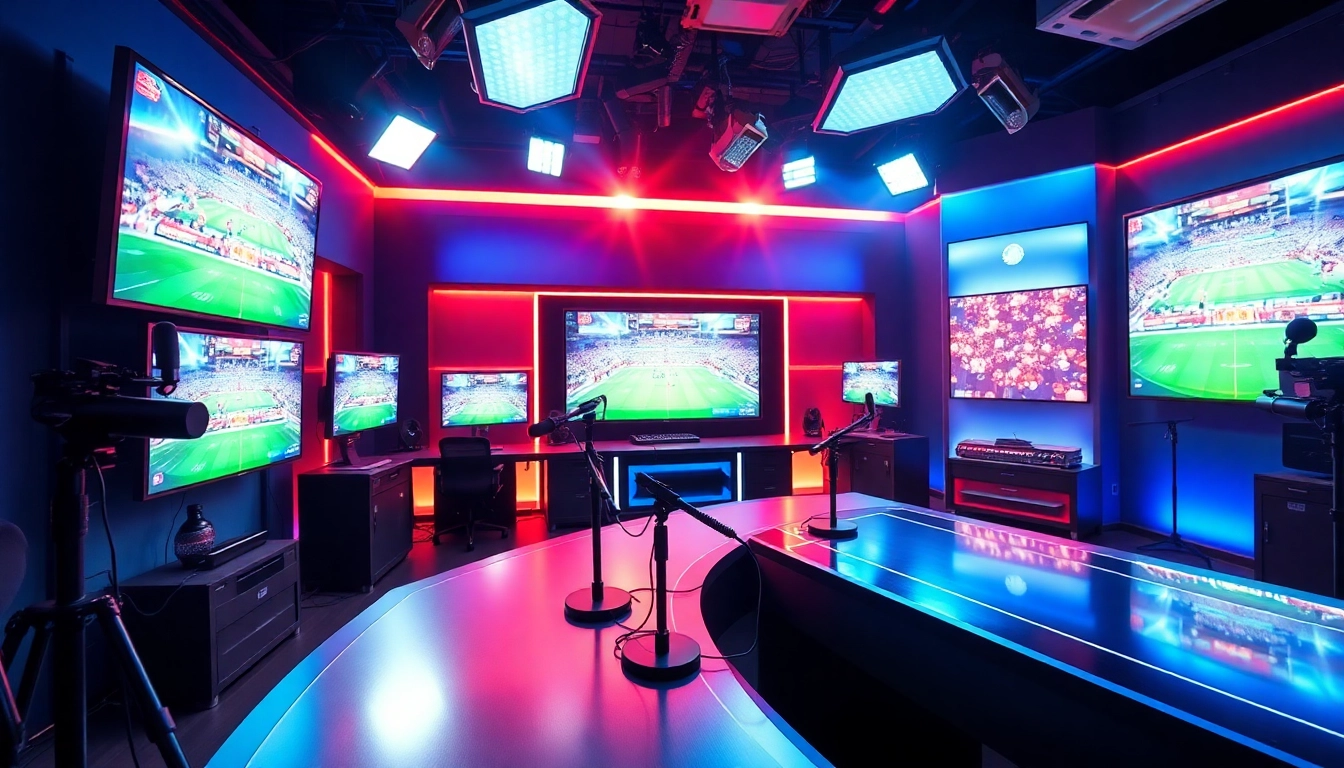
Understanding the Basics of Sports Broadcasting
Defining Sports Broadcasting
Sports broadcasting is the distribution of live and recorded content related to sports activities through various media channels. It includes broadcasting on television, radio, and online platforms. The primary goal of sports broadcasting is to relay sporting events in a way that engages viewers and listeners, allowing them to experience the action as if they were present. The importance of Sports Broadcasting lies in its ability to reach large audiences, create community, and fuel the business of sports.
The Evolution of Sports Broadcasting
The journey of sports broadcasting began with radio broadcasts in the early 20th century, where live commentary allowed fans to follow games from afar. The introduction of television revolutionized this space, providing visual engagement with sport events. Notably, the emergence of cable networks and public broadcasting services expanded access and made sports more mainstream. The digital age has since transformed the landscape again with the rise of streaming services, enabling on-demand access to games and sports-related content, catering to the evolving preferences of consumers. Each transformation marks a significant shift in how audiences engage with sports content.
Key Players in the Industry
In sports broadcasting, various stakeholders collaborate to create a seamless experience for viewers. Key players include:
- Networks: Major television networks and cable services play a critical role in broadcasting rights procurement.
- Streaming Platforms: Services like Netflix and Amazon Prime Video have begun to invest in exclusive sports content.
- Production Companies: They manage the technical side of broadcasts, from cameras to editing.
- Sports Organizations: Teams and leagues hold broadcasting rights, influencing what content is available.
- Advertisers: Their investments drive the financial engine of sports broadcasting.
Essential Techniques for Effective Sports Broadcasting
Researching and Preparing Content
Effective sports broadcasting relies on thorough preparation. This starts with researching teams, players, game statistics, and historical context. Broadcasters must also keep up-to-date with current sports news, injuries, and other factors that could impact performance. Pre-game and post-game analysis, vital for adding depth, requires understanding of the audience's interests and queries. Professional broadcasters often use scripting for key moments but maintain flexibility to adapt to live events.
Live Reporting Best Practices
Live reporting in sports broadcasting requires a unique skill set to keep viewers engaged and informed. Key practices include:
- Clear Communication: Articulating facts quickly is crucial; this helps maintain viewer engagement and comprehension.
- Storytelling: Weaving narratives about players and teams enriches the viewer experience beyond the action.
- Utilizing Graphics: Effective use of graphics and statistics in live broadcasts enhances viewer understanding.
- Engagement: Engaging with fans through social media during broadcasts can provide real-time dynamics and enhance community feeling.
Use of Technology in Sports Broadcasting
Technological advancements are fundamentally reshaping sports broadcasting. HD and 4K technologies offer clearer visuals, while augmented and virtual reality create immersive experiences. Real-time statistics and data analytics enhance broadcasts by delivering deeper insights. Drones are increasingly used to capture aerial views of events, providing unique perspectives. Moreover, technologies like AI and machine learning can aid in content management, automating routine tasks, and curating personalized experiences for viewers.
Exploring Trends in Sports Broadcasting
The Rise of Streaming Services
The traditional model of sports broadcasting is being disrupted by streaming services that offer flexibility, variety, and accessibility. Fans have access to diverse sports offerings at their convenience, including international events not available on traditional broadcasts. These platforms often utilize subscription models that can be more affordable than cable packages, attracting a younger demographic accustomed to on-demand content.
Impact of Social Media on Broadcasting
Social media plays an integral role in the sports broadcasting ecosystem. Platforms like Twitter, Instagram, and TikTok facilitate real-time interaction and engagement among fans, teams, and broadcasters. Highlights, behind-the-scenes content, and fan engagements are frequently shared on social media, creating opportunities for increased viewership and loyalty. Through these channels, broadcasters can gauge audience sentiment and trends, which can inform their content strategies.
Audience Engagement Strategies
Effective audience engagement is crucial for the success of any sports broadcast. Strategies include:
- Interactive Content: Polls, quizzes, and interactive graphics encourage viewer participation during broadcasts.
- Content Personalization: Tailoring content for specific audience segments enhances relevance.
- Fostering Community: Building a sense of community through social media groups and fan forums strengthens loyalty.
- Exclusive Content: Providing exclusive interviews, behind-the-scenes insights, and expert analysis builds viewer investment in the programming.
Challenges Faced in Sports Broadcasting
Adapting to Changing Regulations
The sports broadcasting industry is often subject to complex regulations regarding broadcasting rights and consumer data. Adapting to these changes requires continuous learning and adjustment. Broadcasters must remain informed about changes in legislation that could impact their operations and ensure compliance while finding ways to innovate within those constraints.
Managing Audience Expectations
Today's audiences have heightened expectations regarding the quality, accessibility, and immediacy of sports broadcasts. Addressing these expectations involves investing in cutting-edge technology and continuously seeking viewer feedback. Broadcasters must ensure high-quality streams, minimal lag times, and engaging commentary to meet the demands of an increasingly present and vocal audience.
Tackling Technical Issues
Technical difficulties can undermine the viewer experience. Broadcasters must have robust systems in place to mitigate any technical issues that arise during live broadcasts. This includes having contingency plans, maintaining up-to-date equipment, and training staff to handle issues quickly and effectively. Regular testing of systems before events can also minimize disruptions.
Measuring the Success of Sports Broadcasting
Key Performance Indicators (KPIs)
To assess the success of sports broadcasts, key performance indicators (KPIs) are utilized. These include viewership numbers, engagement rates, and audience retention. Each KPI provides valuable insights that can guide future content creation and marketing strategies. By analyzing these metrics, broadcasters can identify which types of content resonate most with their audiences and adjust their offerings accordingly.
Analyzing Audience Reach and Demographics
Understanding the demographics of the audience is essential for effective sports broadcasting. Analyzing audience data helps broadcasters tailor content to meet the interests and preferences of different viewer segments. Techniques such as surveys, focus groups, and analytics tools can provide insights into viewer demographics, allowing broadcasters to craft more appealing content and outreach strategies.
Feedback and Continuous Improvement
Feedback is a cornerstone of successful sports broadcasting. Collecting audience opinions through surveys, social media engagements, and viewership analytics provides invaluable insights into what audiences value. Continuous improvement relies on implementing changes based on this feedback, ensuring that broadcasts evolve to meet audience needs and preferences. This ongoing loop between audience engagement, feedback, and continual adaptation is essential for sustaining interest in sports programming.
Frequently Asked Questions
What is sports broadcasting?
Sports broadcasting refers to the live or recorded broadcasting of sports events through various media channels such as television, radio, and internet platforms.
How has technology changed sports broadcasting?
Technology has introduced high-definition visuals, real-time statistics, and interactive experiences, transforming how audiences experience sports content.
What are common challenges in sports broadcasting?
Common challenges include adapting to changing regulations, managing audience expectations, and mitigating technical issues during broadcasts.
How do streaming services impact sports broadcasting?
Streaming services offer flexibility and on-demand access to sports content, disrupting traditional broadcasting models and attracting a broader audience.
What metrics are used to measure sports broadcasting success?
Key metrics include viewership numbers, audience retention rates, demographic analysis, and engagement levels to evaluate programming effectiveness.