
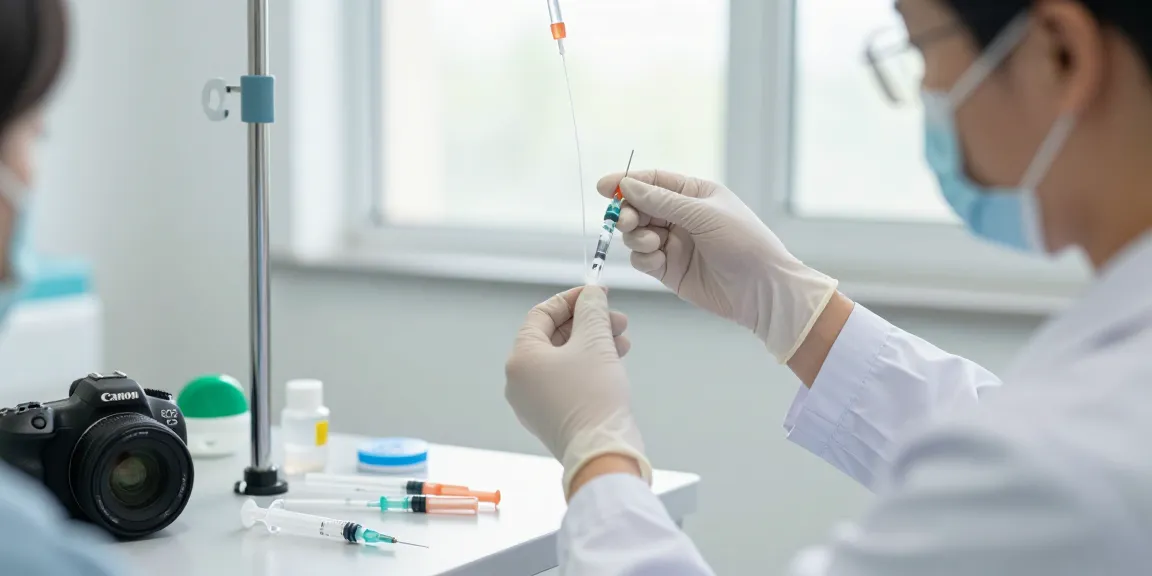
Understanding IV Catheters
Intravenous (IV) catheters are pivotal tools in modern medicine, allowing healthcare providers to administer fluids, medications, and nutrients directly into a patient’s bloodstream. Having a firm grasp of the complexities surrounding IV catheter usage is essential for anyone involved in patient care, from nurses to hospital administrators. The significance of proper catheter management cannot be overstated, as it affects patient outcomes, comfort, and overall treatment effectiveness. For comprehensive information regarding iv catheter, it’s crucial to understand their purpose, the types available, and their proper use in clinical settings.
What is an IV Catheter?
An IV catheter is a thin, flexible tube that is inserted into a vein, primarily to deliver medications, fluids, blood products, or to carry out blood draws. Unlike traditional sewing needle techniques, which are only temporary, IV catheters can remain in place for longer periods, allowing for continuous or intermittent infusion. Most commonly, IV catheters are utilized in hospitals but are also prevalent in outpatient settings, such as infusion therapy centers.
The Importance of IV Catheters in Medical Treatment
IV catheters are indispensable in medical treatments for several reasons. Firstly, they allow for rapid absorption of medications, which is critical in emergencies where immediate action is essential. Secondly, they are used to administer fluids to patients who may be dehydrated or unable to take medications orally, ensuring that fluid balance is maintained. Furthermore, IV catheters provide a means for administering nutrition to patients who cannot eat, thus playing a significant role in total parenteral nutrition (TPN).
Types of IV Catheters and Their Uses
There are several types of IV catheters, each designed for specific situations and patient needs. The most common types include:
- Peripheral IV Catheters: Typically inserted into the veins of the arms or hands, these catheters are suitable for short-term use, usually lasting a few days.
- Central Venous Catheters (CVC): Inserted into larger veins, these catheters are used for long-term access, allowing for the administration of larger volumes of fluids and medications.
- Peripherally Inserted Central Catheters (PICC): A type of central line that is inserted through a peripheral vein and advanced toward the heart, ideal for prolonged therapies.
- Implantable Ports: A more permanent option, these are surgically placed and provide access for extended treatment regimens, such as chemotherapy.
Preparing for IV Catheter Placement
Before placing an IV catheter, preparation is key to ensuring a successful and safe procedure. Healthcare professionals must gather the necessary supplies and follow proper protocols to minimize risks associated with contamination and complications.
Essential Supplies for IV Catheter Insertion
To successfully insert an IV catheter, you will need:
- IV catheter kit (includes catheter, needle, and safety device)
- Antiseptic solution or alcohol swabs
- Adhesive tape or dressing
- Gloves (preferably sterile)
- Biohazard disposal container
Steps to Ensure Sterility and Safety
Maintaining sterility during IV catheter placement is critical. Follow these steps:
- Perform hand hygiene thoroughly before the procedure.
- Wear sterile gloves to avoid contaminating the equipment and insertion site.
- Prepare the insertion site using an antiseptic solution, allowing it to dry completely.
- Ensure that all equipment is unopened and sterile until ready to use.
Common Mistakes to Avoid When Preparing
A few common pitfalls can compromise IV catheter placement:
- Failing to properly clean the insertion site.
- Using discarded or expired equipment.
- Neglecting to assess the patient’s current condition and history, which could influence the insertion site choice.
IV Catheter Insertion Techniques
The actual insertion of an IV catheter requires skill and precision. Understanding the proper techniques can enhance both safety and patient comfort.
Step-by-Step Guide to Inserting an IV Catheter
Here’s a succinct guide to inserting an IV catheter:
- Choose the appropriate site based on patient assessment.
- Insert the needle with the catheter bevel up at a 15-30 degree angle.
- Once you see blood return in the flash chamber, advance the catheter while withdrawing the needle.
- Secure the catheter and apply the dressing.
Best Practices for Different Patient Groups
Patient demographics can significantly affect insertion techniques:
- In pediatric patients, consider using smaller gauge catheters and alternative sites, such as the scalp.
- For elderly patients, assess vein condition and consider using a tourniquet judiciously to avoid vein collapse.
Addressing Patient Comfort During Insertion
Patient comfort is paramount during IV catheter insertion. Techniques include:
- Explaining the procedure to the patient to reduce anxiety.
- Using a local anesthetic if necessary.
- Choosing a site that minimizes discomfort while providing optimal access.
Caring for IV Catheters
Proper caring for IV catheters post-insertion can reduce the likelihood of complications and ensure continued function.
Monitoring IV Catheter Sites: What to Look For
Monitoring the catheter site involves checking for:
- Redness, swelling, or warmth, which may indicate infection.
- Leakage of fluids around the catheter site.
- Pain or discomfort reported by the patient.
Proper IV Catheter Maintenance and Flushing
Regular flushing of the catheter with saline at prescribed intervals is essential to maintain patency and prevent clot formation. Techniques include:
- Using the correct saline volume based on institutional protocols.
- Using a push-pause technique during flushing to clear the line effectively.
Signs of Complications and How to Address Them
Healthcare providers must be vigilant for signs of complications, including:
- Phlebitis: characterized by swelling and tenderness along the vein.
- Infection: indicated by fever or discharge at the insertion site.
- Thrombosis: symptoms include swelling and discomfort in the limb.
Future Trends in IV Catheter Technology
The landscape of IV catheter technology continues to evolve, promising exciting advancements in patient care.
Advancements in IV Catheter Design and Functionality
Recent innovations have focused on enhancing the safety and efficacy of IV catheters, including:
- Needleless systems to reduce the risk of needlestick injuries.
- Antimicrobial-coated catheters to prevent infections.
Emerging Technologies in Catheter Insertion
Technological advancements are also impacting how catheters are inserted. For example:
- Ultrasound guidance for catheter placement, particularly in difficult cases.
- Smart catheters equipped with sensors to monitor flow and pressure in real-time.
Preparing for Changes in IV Therapy Protocols by 2026
As IV therapy protocols evolve, healthcare providers should stay informed about new guidelines impacting the use of IV catheters, including:
- Recommendations for catheter replacement intervals.
- Updates to infection control measures in response to new evidence.
What are the risks associated with IV catheters?
While IV catheters are crucial for treatment, they do come with risks such as infections, phlebitis, and thrombosis. Awareness and proactive management can mitigate these risks.
How can I ensure the best care for patients using IV catheters?
Ensuring best practices involves regular training for healthcare staff, maintaining strict hygiene protocols, and tailoring catheter care to individual patient needs.
What advancements are being made in IV catheter technology?
Advancements in IV catheter technology focus on enhancing patient safety, such as developing smart catheters and exploring new materials that reduce infection risk.
When should an IV catheter be replaced?
IV catheters should generally be replaced based on institutional protocols, typically every 72 to 96 hours, or sooner if complications arise.
How do I choose the right size IV catheter for a patient?
Choosing the right IV catheter size depends on factors such as the patient’s vein size, the type of therapy required, and the duration of use expected.


